
When setting up a fiber optic network, one of the most important decisions you’ll face is choosing between single mode and multimode fiber. Both are essential components in modern networking, but their characteristics differ in terms of structure, distance, and performance. Understanding these differences helps you build a reliable, cost-effective communication system.
What Is Single Mode Fiber?
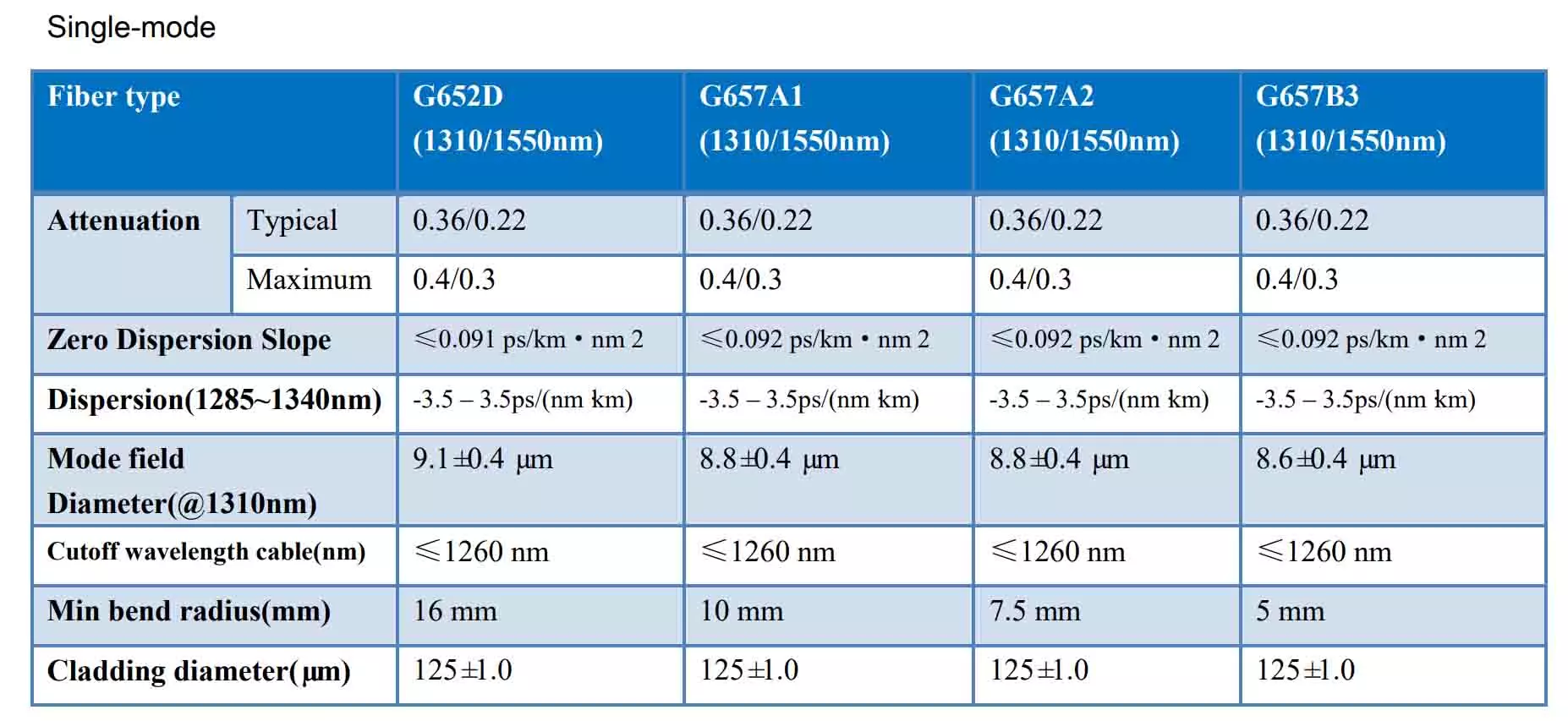
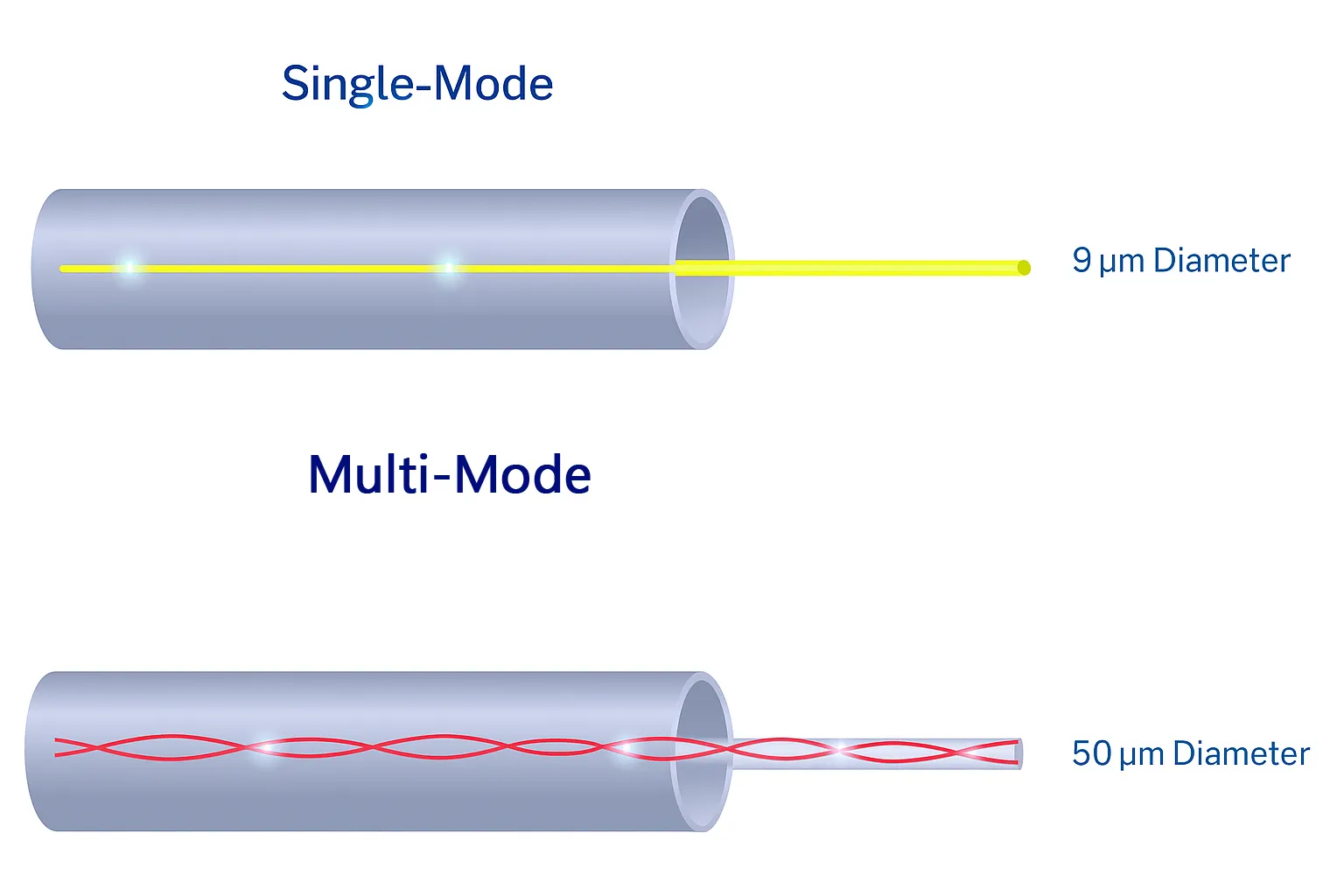
Single mode fiber (SMF) uses a very small core, typically around 9 microns, allowing only one mode of light to travel. This design reduces signal reflection and ensures long-distance transmission with minimal loss.
Single mode fibers are ideal for:
-
Long-haul telecommunications and data center backbones
-
High-speed networks exceeding 10 Gbps
-
Enterprise-grade connections requiring low attenuation
While single mode fiber offers excellent performance, it’s generally more expensive due to the precision components required for installation and connection.
What Is Multimode Fiber?
Multimode fiber (MMF) has a larger core — usually 50 or 62.5 microns — allowing multiple light paths to travel simultaneously. This makes it easier to install and connect, but it also leads to modal dispersion, which limits the maximum transmission distance.
Multimode fibers are best suited for:
-
Short-distance connections within buildings or campuses
-
LANs and data centers with limited range
-
Cost-sensitive installations where speed and distance demands are moderate
Multimode fiber is typically used with LED or VCSEL light sources, which are less costly compared to the lasers used in single mode systems.
How to Choose Single Mode and Multimode Fiber
Choosing the right fiber type depends on your network design, budget, and performance needs:
-
Choose Single Mode Fiber if you need long-distance and high-speed transmission.
-
Choose Multimode Fiber if your network is localized and you want to reduce overall installation costs.
Gcabling’s Recommendation
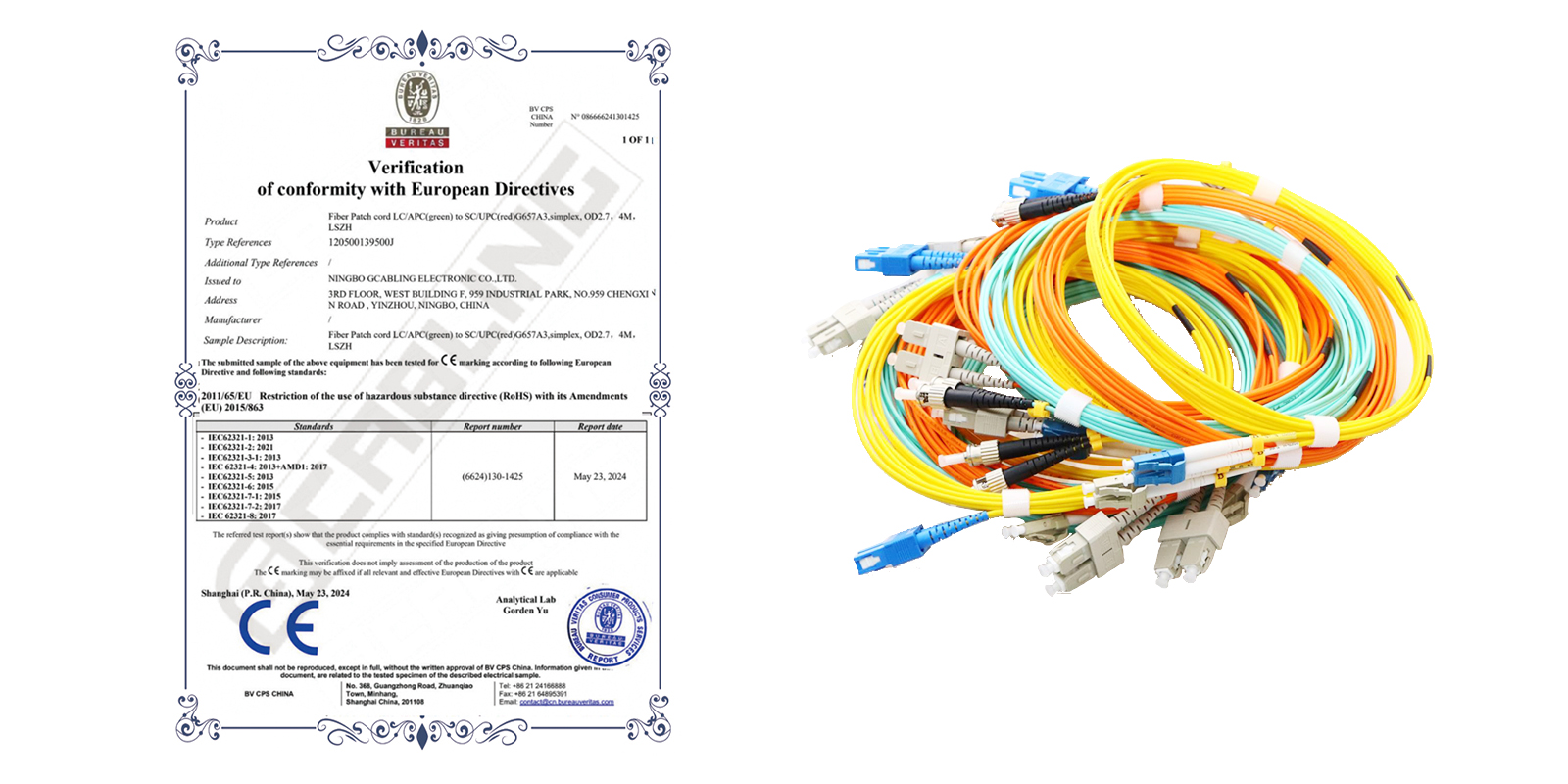
At Gcabling, we offer CE-certified single mode and multimode fiber patch cords designed for superior transmission performance and long-term reliability. Manufactured with premium materials and strict quality control, our fiber patch cords are fully compliant with international standards. Whether you need single mode fibers for long-distance connections or multimode fibers for high-speed short-range networks, Gcabling provides the ideal solution to ensure stable, efficient, and easy-to-install connectivity.
| Feature | Gcabling Fiber Optic Patch Cord |
|---|---|
| Fiber Core | Uses G657A1 fiber core, compatible with G652D and G657A2. Supports bend-insensitive fiber with a 10mm minimum bend radius. |
| Jacket Material | Made of LSZH (Low Smoke Zero Halogen) material, ensuring safety, environmental friendliness, and durability. |
| Ceramic Ferrule | Insertion loss ≤0.3dB (typically ≤0.2dB); Return loss ≥50dB (UPC) or ≥60dB (APC). |
| Boot Strength | Special boot hook design enhances tensile strength — maximum pulling force up to 30N, stronger than typical 10–15N market cables. |
Conclusion
The debate of single mode vs multimode fiber isn’t about which is better overall — it’s about which suits your specific needs. For long-distance, high-speed applications, single mode is unmatched. For short-range and budget-conscious networks, multimode remains the practical choice.
Gcabling is here to help you design the ideal network infrastructure with the right cabling solution.Gcabling provides various types of fiber optic connectors, fiber patch cords, etc. including APC and UPC type, with low loss and high cost-effectiveness, making it the best choice for optical communication wiring. If there is a need, please contact us.

 Spanish
  English
  Arabic
  Portuguese